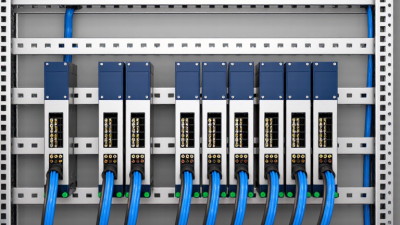
7 Tips for Choosing Robotic Power Components?
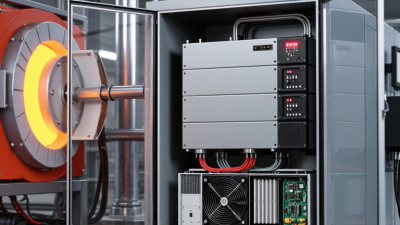
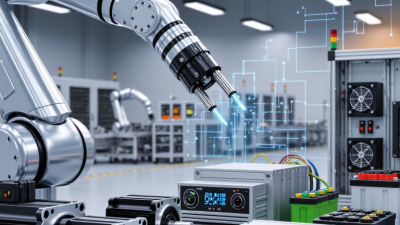
Selecting Robotic Power Components is no longer a minor purchasing task. It affects uptime, motion accuracy, heat, safety, and maintenance costs. The International Federation of Robotics reported 541,302 industrial robot installations worldwide in 2023, with more than 4.28 million robots operating globally. Every unit depends on reliable drives, controllers, connectors, batteries, sensors, and power supplies.
The market is expanding quickly. Grand View Research’s 2024 industrial robotics report projects continued growth through the decade, increasing pressure on manufacturers to improve efficiency and serviceability. A suitable component must match voltage, current, duty cycle, ambient temperature, ingress protection, and communication requirements. A connector that survives a clean factory may fail near oil mist, vibration, or repeated cable flexing. Small details matter.
Robotics researcher Rodney Brooks has said, “The robots are coming, but they are not going to take your jobs.” His observation highlights a practical point: robots support human work, but poor component choices create human troubleshooting. The seven tips ahead examine datasheet verification, thermal margins, power quality, compatibility, certification, supplier support, and lifecycle cost. No checklist is perfect. Real installations often expose assumptions that laboratory tests miss. Engineers should measure actual loads, inspect failure records, and question attractive specifications. A cheaper power module may look efficient on paper, yet generate costly downtime beside a hot motor cabinet. The right decision combines published evidence, field experience, and cautious judgment.
Read more »