 Power Conversion Engineering
Talk to an engineer (888) 597-9255
Products Power Conversion Engineering High-efficiency switching power supplies, multi-voltage DC/DC converters, and industrial power modules tailored for Kenya's variable grid and off-grid solar deployments.
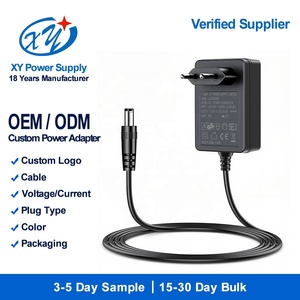
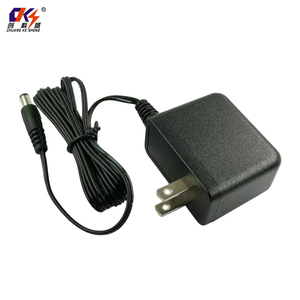

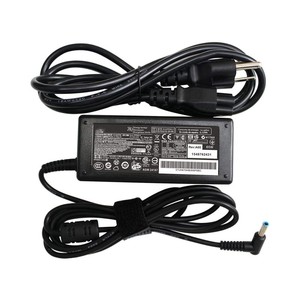
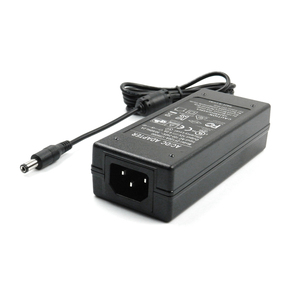
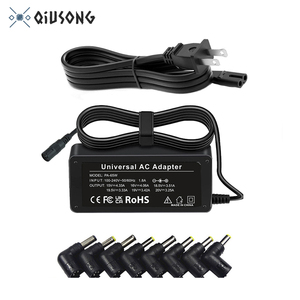
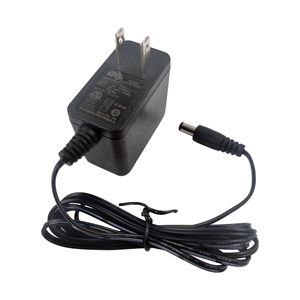
Kenya is rapidly solidifying its position as East Africa’s industrial powerhouse and clean energy leader. Driven by aggressive rural electrification initiatives, expanding commercial industrial parks in the Nairobi-Thika corridor, and rapid adoption of solar PV microgrids across off-grid agricultural zones, the demand for resilient Energy Storage Systems (ESS) and secondary power electronics has hit an unprecedented peak. However, operating electrical infrastructure in Kenya presents distinct challenges: high ambient temperature fluctuations between coastal regions like Mombasa and elevated zones like Eldoret, frequent power quality sags across the national grid (Kenya Power and Lighting Company - KPLC), and severe surge risks during tropical weather cycles.
Selecting a certified Energy Storage Supplier & Manufacturer for Kenya requires more than evaluating nominal battery kilowatt-hours. Procurement engineers, EPC contractors, and system integrators must prioritize power conversion topology, isolation standards, heat dissipation dynamics, and compliance with the Energy and Petroleum Regulatory Authority (EPRA) and Kenya Bureau of Standards (KEBS). Standard off-the-shelf power equipment often fails under prolonged load-shedding and wide voltage swings. Highly reliable battery energy storage systems demand industrial-grade AC/DC rectifiers, high-isolation DC/DC converters, and robust battery management interface circuits engineered to withstand continuous cycle degradation.
Strategic Market Insight: Commercial & Industrial (C&I) entities in Kenya lose an estimated 6% to 12% of operational uptime annually to grid unreliability. Integrating robust battery energy storage systems equipped with thermal-managed power conversion units guarantees uncompromised operational continuity and significant electricity cost reduction via peak shaving.
From agricultural cold chains in the Great Rift Valley to telecommunication towers in remote counties, explore how specialized power conversion and energy storage architectures drive performance.
Industrial complexes in Nairobi, Machakos, and Naivasha leverage grid-tied solar-plus-storage to mitigate daytime peak tariffs. High-capacity lithium-iron-phosphate (LiFePO4) energy storage systems coupled with isolated AC/DC power converters deliver reliable peak shaving and uninterrupted transition during KPLC blackouts.
Horticultural and dairy exporters across Central Kenya rely on off-grid microgrids to preserve perishable produce. Potted, thermal-shock-resistant power supplies ensure 24/7 continuous operation for refrigeration controls, monitoring sensors, and automated washing units even in high-humidity ambient conditions.
Telecom operators expanding 4G/5G connectivity into Turkana, Garissa, and Kajiado require off-grid DC power systems. Wide 4:1 input DC/DC converters handle volatile solar output while stepped-down auxiliary power modules power critical transceivers, sensors, and remote monitoring links uninterrupted.
County hospitals and rural clinics depend on zero-transfer-time energy storage supplies for surgical theaters and diagnostic labs. Medical-grade power supplies featuring 2xMOPP (Means of Patient Protection) isolation and ultra-low leakage current prevent electrical hazards during critical emergency shifts.
Nairobi's boom in electric two-wheelers and commercial e-buses requires high-density fast-charging cabinets. Modular AC/DC power units supply dynamic voltage matching to multi-bay battery swapping hubs, accommodating rapid load shifts without destabilizing regional distribution lines.
Under the Kenya Off-Grid Solar Access Project (KOSAP), decentralized mini-grids deliver electrification to marginalized communities. Heavy-duty DIN rail AC/DC supplies and encapsulated converters protect distribution management node electronics from severe outdoor dust and moisture.
Understanding the microeconomic and regulatory shifts in East Africa is essential for engineering scalable power products. Kenya’s market evolution is characterized by three major trends:
Backing global project integrators and local Kenyan suppliers with 60+ years of proven U.S. power conversion expertise, custom engineering flexibility, and absolute reliability.
Designing and manufacturing high-performance AC/DC power supplies and DC/DC converters in Exeter, New Hampshire, USA since 1961. Built on field-tested topologies including flyback, LLC resonant, and push-pull configurations.
Avoid expensive complete re-engineering. We modify proven catalog platforms for unique output voltages, custom pinouts, specialized harness connectors, potted ruggedization, or specific mechanical footprints in accelerated turnarounds.
Comprehensive product coverage spanning DC/DC converters from 0.5 Watts up to 1,500 Watts, and AC/DC power supplies from 1 Watt up to 3,600 Watts across encapsulated, open-frame, DIN rail, and chassis mount form factors.
Built for the harsh climates of Africa. Specialized designs operating seamlessly from -55°C up to +125°C ambient temperatures using conduction-cooled baseplates, conformal coating, and fanless passive thermal sinks.
Engineered to satisfy demanding international standards including UL/IEC 60601-1 (Medical), MIL-STD-1275/461 (Military/Defense), EN 50155 (Railway), and DoE Level VI / EU CoC Tier 2 efficiency benchmarks.
We actively support 10-to-20-year equipment service lives. Our engineering team guarantees form, fit, and function replacements for legacy power modules, protecting your infrastructure against unexpected component obsolescence.
Technical considerations for procuring power supplies and energy storage conversion hardware in Kenya.
Consult with our senior applications engineers today to request technical datasheets, order sample modules, or initiate a modified-standard power design for your specific operating environment.
Send an Inquiry