 Power Conversion Engineering
Talk to an engineer (888) 597-9255
Products Power Conversion Engineering Explore our flagship AC/DC wall-mount adapters, desktop power units, linear transformers, and multi-plug switching supplies engineered for medical devices and global export.
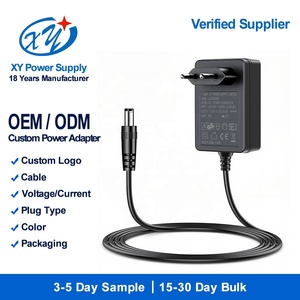
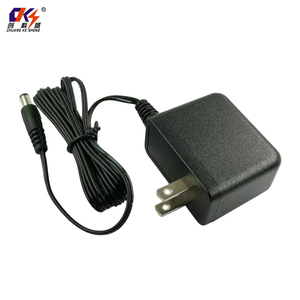
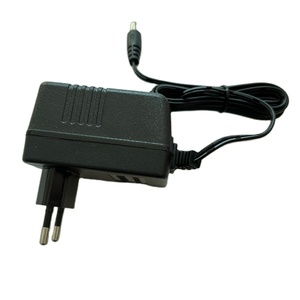
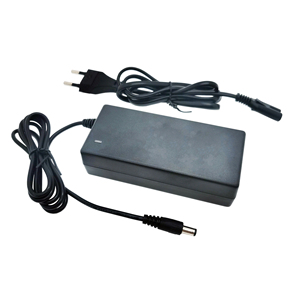
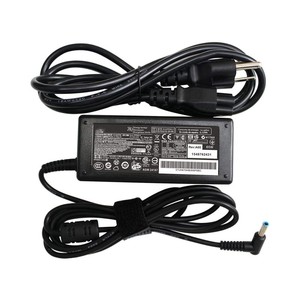
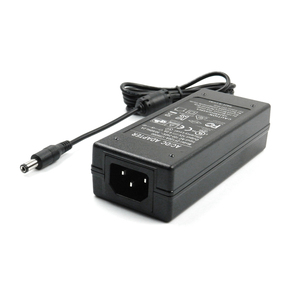
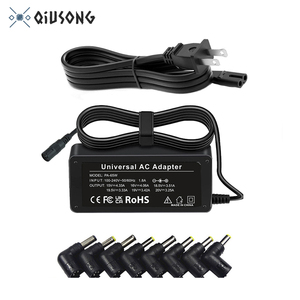
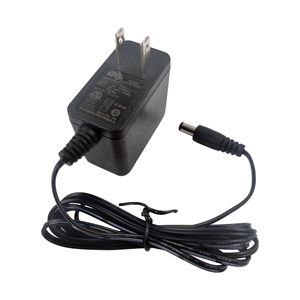
In modern biomedical equipment design and clinical device engineering, the power supply unit (PSU) represents far more than an electrical conversion module. It serves as the primary barrier protecting vulnerable patients and healthcare professionals from hazardous electrical shock, electromagnetic interference (EMI), and unexpected system downtime. As global healthcare OEM manufacturers scale production of portable diagnostic carts, surgical monitors, patient monitoring devices, home healthcare devices, and laboratory automation, China has evolved into the premier manufacturing power center for highly certified medical-grade power conversion hardware.
Combining legacy engineering principles derived from decades of global power design with China’s unmatched component supply chain agility, high-volume automation, and ISO 13485 certified quality management systems, top Chinese exporters deliver unprecedented value. However, selecting a medical power supply manufacturer requires deep technical scrutiny. Medical power units must strictly comply with the stringent IEC/EN/UL 60601-1 3rd and 4th Edition standards, guaranteeing 2xMOPP (Means of Patient Protection), sub-microamp leakage currents, and robust electromagnetic immunity against collateral hospital equipment interference.
Technical Information Gain Note: Unlike standard industrial SMPS (Switched-Mode Power Supplies), medical power units require double thermal insulation, extended creepage and clearance distances (≥8mm), and maximum leakage currents below 100μA for Type BF (Body Floating) and below 10μA for Type CF (Cardiac Floating) direct-patient contact applications.
Design engineers must evaluate trade-offs between switching power topologies, linear transformers, encapsulated high-voltage DC/DC converters, and external Level VI desktop adapters. The table below presents an empirical engineering comparison of power architecture options used across industrial automation, transportation, and medical diagnostic equipment.
| Topology / Architecture | Efficiency Range | Isolation & Insulation | Leakage Current (μA) | Primary Sector Fit |
|---|---|---|---|---|
| Switching AC/DC (2xMOPP) | 88% – 95% | 4,000 VAC Isolation / 8mm Creepage | < 100 μA (Type BF) | Medical Diagnostic Carts, Surgical Lights, Ultrasounds |
| Linear AC/AC Transformer | 60% – 75% | 2,500 VAC Standard Isolation | < 500 μA | High-End Audio, Sensitive Lab Sensors, Legacy Systems |
| Encapsulated DC/DC Converter | 82% – 92% | 1,500 to 8,000 VDC Reinforced | < 10 μA (Type CF) | ECG/EKG Monitors, Defibrillators, Isolated Signal Lines |
| DIN Rail Industrial Supply | 89% – 96% | 3,000 VAC Basic Insulation | < 1,000 μA | Factory Automation, PLC Cabinets, Process Control |
| External Wall Mount Adapter | 85% – 92% (DoE Level VI) | 3,000–4,000 VAC Isolation | < 75 μA | Home Medical Devices, CPAP Machines, Handheld Routers |
When selecting a power conversion architecture, engineers must account for thermal derating. Fanless designs are strongly preferred in surgical operating theatres and sterile environments to prevent airborne particulate circulation. Conduction cooling via aluminum baseplates or potting compounds allows encapsulated converters to operate silently from extreme ambient conditions ranging from -55°C to +125°C.
Integrating proven design methodologies—flyback, forward, LLC resonant, and active Power Factor Correction (PFC)—with agile OEM/ODM manufacturing capability ensures rapid product development cycles without sacrificing safety compliance.
Strict quality control protocols guarantee compliance with IEC/EN 60601-1, featuring dual isolation barriers, flame-retardant 94V-0 enclosures, and complete isolation test tracking.
Eliminate qualification delays by modifying proven catalog platforms. Custom wire harnesses, mechanical potting, output voltage trimming, and specialized connectors shorten time-to-market.
Equipped with High-Speed Surface Mount Technology (SMT), 100% Automated Optical Inspection (AOI), and automated ATE testing, ensuring zero-defect batch delivery for global export.
As global supply chains navigate geopolitical shifts, technological advances, and evolving regulatory landscapes, medical original equipment manufacturers (OEMs) must anticipate key procurement and technological trends over the next decade.
Gallium Nitride (GaN) and Silicon Carbide (SiC) switching transistors are fundamentally altering medical power design. By enabling dramatically higher switching frequencies (>500kHz), GaN-based switching power supplies reduce magnetic component sizes by up to 50% while pushing operational efficiencies beyond 95%. Sourcing teams are prioritizing GaN-powered desktop and wall-mount adapters to minimize thermal dissipation and reduce the weight of mobile diagnostic units and portable oxygen concentrators.
Hospitals are densely populated with wireless communications, electrosurgical units, mobile phones, and telemetry networks. The 4th Edition EMC standard requires significantly higher immunity thresholds against Radiated Radio Frequency Fields (up to 28V/m at specific wireless bands) and Electrostatic Discharge (ESD up to ±15kV air, ±8kV contact). Top Chinese exporters pre-verify power supplies in state-of-the-art EMC darkrooms to ensure immediate compliance for end-device submission to FDA and CE authorities.
Environmental standards such as DoE Level VI in the United States and EU CoC Tier 2 in Europe mandate extremely stringent no-load standby power consumption (<0.075W to <0.15W). Concurrently, global buyers require strict adherence to RoHS 3 (Directive 2015/863) and REACH regulations, compelling manufacturers to eliminate lead, mercury, cadmium, and specific phthalates from all components, potting gels, and cable jacket materials.
To mitigate compliance risks, avoid supply disruptions, and ensure long-term availability (10+ year product life cycles), biomedical purchasing agents and system architects should follow a structured verification methodology when choosing a manufacturing partner:
Define exact input voltage range (Universal 85-264VAC or DC bus), required outputs, peak surge currents, isolation barrier (1xMOPP vs 2xMOPP), and maximum acceptable leakage current based on patient contact classification.
Establish form factor requirements (open frame, enclosed, wall mount, U-channel), cooling availability (forced air vs convection), vibration resistance, and operating ambient temperature envelope.
Request official Safety Data Sheets (CB reports, UL60601 certificates), audit the manufacturer's counterfeit component prevention policy, and review MTBF documentation (>500,000 Hours).
Submit your electrical parameters, desired isolation ratings, or custom dimensional requirements directly to our engineering applications team for a comprehensive technical evaluation and rapid quote.